📜 Electrical Certificate of Compliance in Cape Town: Your Complete Guide (2026)
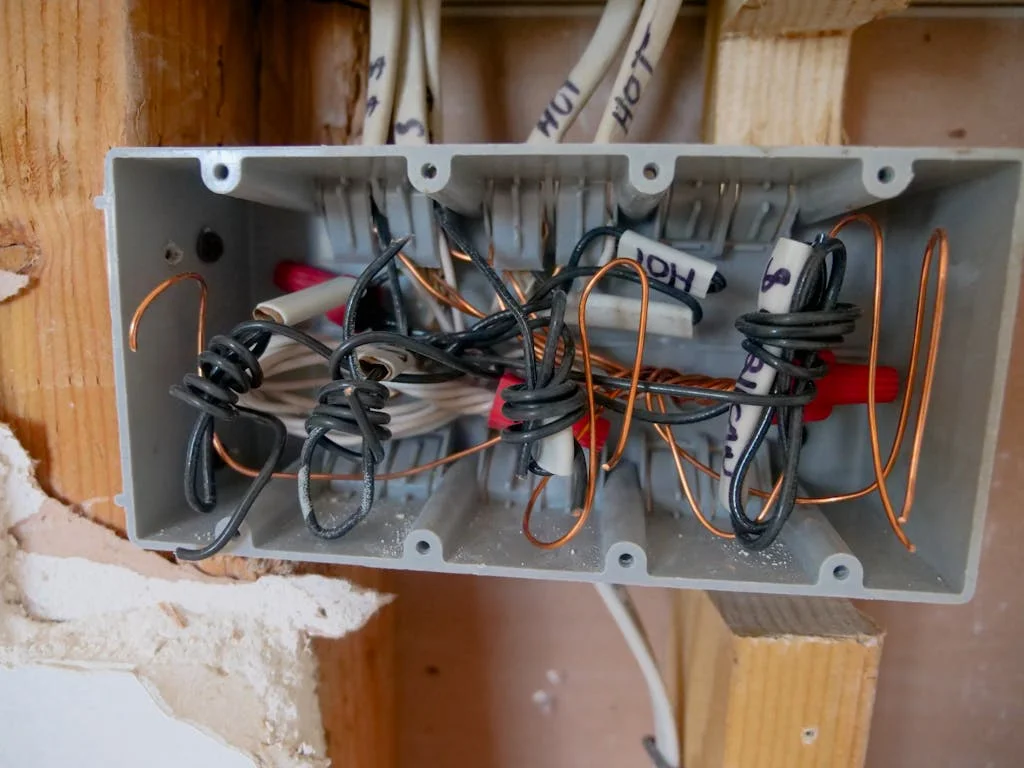
If you’re buying, selling, or renting a property in Cape Town, one document you absolutely cannot ignore is the Electrical Certificate of Compliance (COC). This isn’t just a formality—it’s a legal requirement that protects lives, property, and financial interests. Let’s break down everything you need to know.
What Is an Electrical Certificate of Compliance?
An Electrical Certificate of Compliance (COC) is a legal document issued by a registered electrician, confirming that the electrical installation in a property complies with the South African National Standard SANS 10142-1 (the Wiring of Premises). It ensures the installation is safe, properly installed, and meets the requirements of the Occupational Health and Safety Act (Act 85 of 1993).
In simple terms: It’s proof that your home’s wiring, DB board, plugs, lights, and other fixed electrical components are safe and up to code.

Why Is a COC Legally Required?
The legal foundation for a COC comes from the Electrical Installation Regulations under the OHSA. Here’s what the law requires:
1. Required When Selling a Property
According to Regulation 7(1), the owner of a property must have a valid COC when transferring ownership. Without it, the property cannot be legally transferred.
2. Must Be Issued by a Registered Professional
Only a person registered with the Department of Employment and Labour can issue a COC. They must also be working under a registered electrical contractor.
3. Applies to All Fixed Electrical Installations
A COC is required for:
- Distribution boards (DB boards)
- Wiring and cabling
- Switches and sockets
- Light fittings
- Earth leakage systems
- Geysers
- Swimming pool electrical components
- Solar PV systems and inverters
Note: Plugging in an appliance doesn’t require a COC, but the outlet it plugs into does.
Validity: How Long Is a COC Valid?
An Electrical COC is valid for two years from the date of issue.
- If your COC is older than two years, you cannot supply it to a buyer—you must obtain a new one.
- If your COC is less than two years old, you must specify that no changes have been made to the electrical installation in the last three months.
Note: Any addition or alteration to the electrical installation—such as installing a solar system, inverter, or additional circuits—requires a supplementary COC.
What Does the COC Inspection Cover?
A qualified electrician will conduct a thorough inspection of your property. According to industry sources, this typically includes:
- ✅ Ensuring the DB board is fitted with trip switches (earth leakage)
- ✅ Checking that switches, sockets, and light fittings are operating correctly
- ✅ Verifying the premises are earthed and bonded properly
- ✅ Ensuring the switch box is labelled correctly with the right warnings
- ✅ Checking for damage or wear and tear
- ✅ Inspecting the type of wiring system is safe and in good condition
- ✅ Confirming the electrical main switch is compliant with regulations
The inspection can take two to three hours depending on the size of the property.
How Much Does a COC Cost in Cape Town?
The cost of an Electrical COC in Cape Town typically starts from R850 to R1,500+ for a standard single-storey house. The price can vary based on:
- The size and type of premises (domestic, commercial, industrial)
- The number of distribution boards (DBs)
- Whether it’s a double or triple-storey property
What’s Included? The fee covers the inspection and certificate only. If any non-compliances are found, the cost of repairs and modifications is additional.
A call-out fee of approximately R500 may apply for the initial assessment.
Who Is Responsible for the COC?
The Seller
When selling a property, the seller is legally responsible for ensuring a valid COC is in place before transfer. The ideal time to secure it is upon signing the Offer to Purchase (OTP)—or even before listing the property to avoid delays.
The Landlord
If you’re renting out a property, it’s the landlord’s legal duty to ensure the electrical installation is safe and compliant. A valid COC provides proof of this.
The Homeowner
Even if you’re not selling, Regulation 7(1) requires every homeowner to have a valid electrical COC (less than two years old).
Consequences of Non-Compliance
Failing to comply with COC requirements can have serious consequences:
- ❌ Invalid property transfer – The transfer cannot be completed
- ❌ Insurance claim rejections – Insurers may refuse claims for fire or damage
- ❌ Fines or penalties – From the Department of Labour
- ❌ Liability – In the event of injury or death due to faulty wiring
- ❌ Rejected insurance claims – For incidents like electric shock from faulty installations
October 2025 Update: Solar COC Requirements
Recent regulatory clarifications have resolved previous ambiguity around solar installations. For residential solar PV systems:
- A DoL-registered electrical contractor’s COC is both necessary and sufficient
- The October 2025 clarification confirmed that ECSA Professional Engineer sign-off is NOT required for standard residential SSEG (Small-Scale Embedded Generation)
For commercial systems above 25 kVA or medium voltage connections, an ECSA PrEng sign-off may be required.
What the Solar COC Covers:
- DC cabling (correct type, size, routing)
- DC protection (string fuses, circuit breaker ratings)
- DC isolators (present, labelled, lockable, correctly rated)
- Earthing and bonding (array structure bonded to earth system)
- Surge protection (SPDs installed where required)
- AC wiring and isolators
- Distribution board (solar connection clearly labelled)
- Inverter settings (matching NRS 097-2-1 requirements)
- All required DC and AC labels
- As-built drawing matching physical installation
SANS 10142: The Standard Behind the COC
SANS 10142-1 is the South African National Standard for the Wiring of Premises. It serves as the legal backbone of electrical safety in South Africa.
Under the Electrical Installation Regulations, all fixed electrical installations must comply with SANS 10142. A COC can only be issued if the installation meets this standard.
The standard outlines:
- How electrical systems must be designed and installed
- What materials and components can be used
- The correct safety procedures
- Testing and inspection requirements for compliance
Frequently Asked Questions
1. Can I issue a COC myself?
No. Only a Department of Labour-registered electrical contractor can issue a COC.
2. What if my installer offers a COC without inspecting the site?
Do not accept it. A COC cannot be issued without a physical inspection. Issuing a false COC is a criminal offence under the OHS Act.
3. How do I verify an electrician’s registration?
Contact the Department of Employment and Labour or the Electrical Contractors Association (ECA) to check the electrician’s registration card and accreditation certificate.
4. What if the inspection finds non-compliances?
The contractor will list the non-compliances. The COC will not be issued until these are rectified. After repairs, the contractor re-inspects and issues the COC.
5. Does a COC cover electric fences?
No. Electric fences require a separate Electrical Fence Certificate of Compliance (valid for two years).
6. Are there other COCs required in Cape Town?
Yes. The City of Cape Town also requires a Water/Plumbing Installation Certificate of Compliance. Gas installations and beetle inspections may also be required.
Final Checklist: Getting Your COC
Need an Electrical COC in Cape Town?
Our registered electricians provide professional COC inspections and certification across Cape Town. We handle the entire process – from inspection to repairs and certification.
Registered Electricians
4.9 ★ (97 reviews)
Or WhatsApp us for a quick response.